
How to get rid of mould in a Mauritian home
Why mould grows so fast in Mauritius, how to remove it safely from walls, grout and fabric, and how to stop it coming back after the humid months.
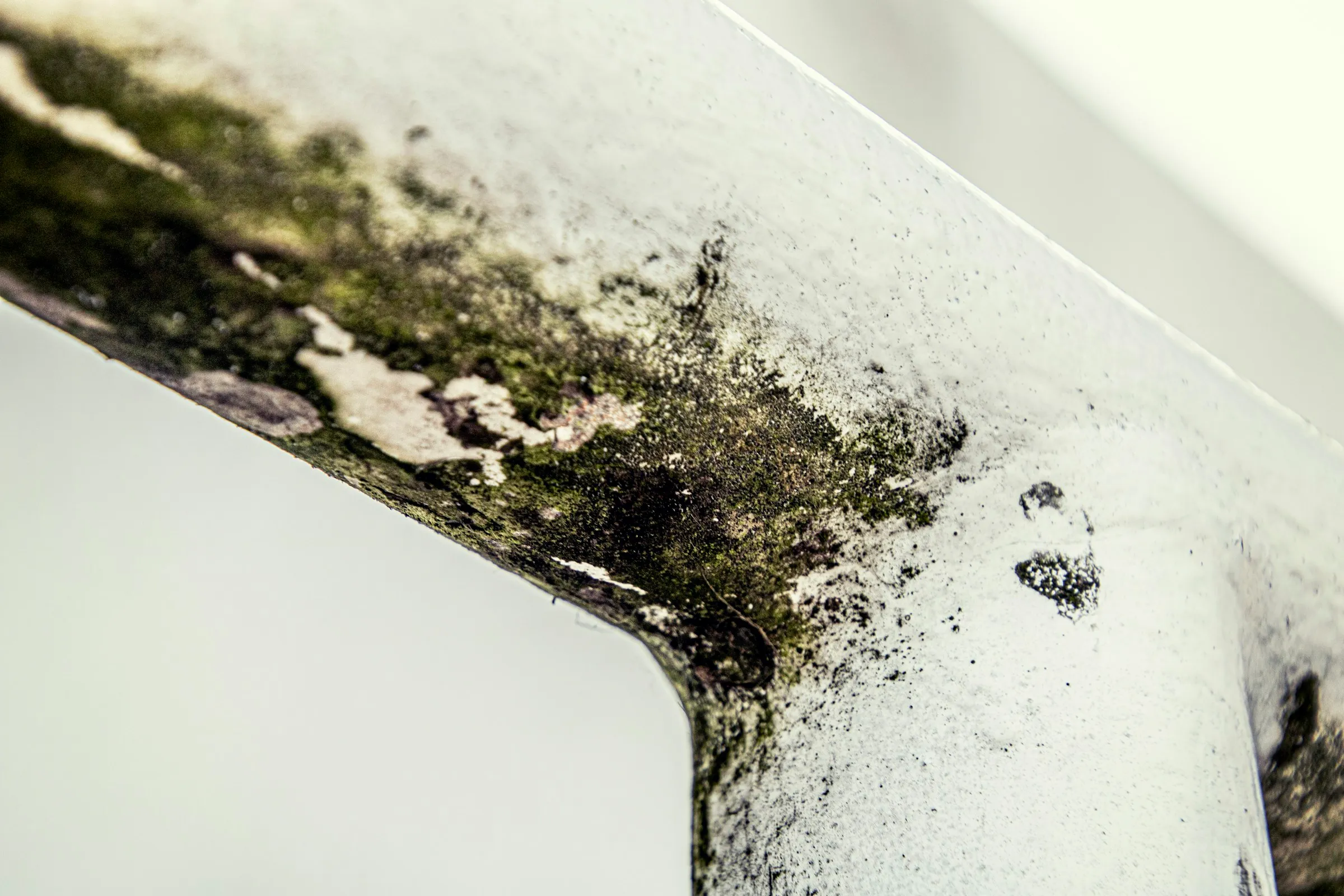
If you live in Mauritius, you have probably met mould: the grey bloom on a bathroom ceiling, the black spots along a window frame, the musty smell from a wardrobe after the rainy months. It is one of the most common problems we see in homes across the island, and one of the most misunderstood.
Why mould loves a Mauritian home
Mould needs three things: moisture, warmth and still air. The hot, humid summer gives it the first two for months on end. Heavy rain, and the cyclone season in particular, adds more water to the walls.
The third is the one you control. Mould grows fastest in homes that are closed up, such as a holiday home while the owners are away, and in rooms without airflow: bathrooms with no window, wardrobes against outside walls, the space behind a sofa.
Where to look first
- Bathroom ceilings and the corners above the shower.
- Silicone around baths, showers and sinks.
- Window frames and the sills beneath them.
- Behind and inside wardrobes, especially on outside walls.
- Under kitchen and bathroom sinks.
- Leather shoes, bags and belts stored in closed cupboards.
- Curtains, mattresses and sofas in rooms that stay damp.
How to remove mould from hard surfaces
- Protect yourself. Wear gloves and a mask, and open the windows. Mould spores are released as you clean.
- Wash the surface first with warm water and a little detergent, to lift the surface growth.
- Treat what is left. On porous surfaces such as painted walls, spray undiluted white vinegar and leave it for an hour before wiping. On tiles and other hard, non porous surfaces, a diluted bleach solution removes the staining.
- Dry it completely. A surface left damp after cleaning is a surface that grows mould again.
Never mix bleach with vinegar or with ammonia. The fumes are dangerous, even in a well ventilated room.
Grout and silicone
Mould in grout can usually be scrubbed out with a stiff brush and the vinegar treatment above. Mould under silicone is a different matter: once it has grown beneath the seal, no amount of cleaning will reach it. Cutting out the old silicone and laying a fresh bead is the only real fix.
Sofas, curtains and mattresses
Fabric is harder, because mould grows into it rather than on it. Curtains and covers that can be washed should go through the hottest wash the label allows, then dry in the sun. Sofas and mattresses cannot be soaked, and surface cleaning only moves the problem around. These need a proper deep clean of the fabric. We clean sofas and curtains on site, so nothing has to leave the house.
How to stop it coming back
Cleaning removes the mould you can see. Only drying the home stops it returning.
- Let air move. Open windows when it is drier outside than in, and leave internal doors open.
- Run an extractor during and after every shower.
- Use a dehumidifier in rooms that stay damp, or the dry mode on an air conditioner if it has one.
- Leave wardrobes ajar, and keep furniture a few centimetres off outside walls.
- Wipe condensation off windows in the morning.
- Fix leaks first. A dripping pipe or a cracked roof tile will beat any amount of cleaning.
When to call a professional
Call for help when a patch is larger than about a square metre, when mould keeps returning after you have cleaned it, or when it is on furnishings you cannot wash. If it keeps coming back from inside a wall or a ceiling, the cause is water getting in, and that needs a builder or a plumber before it needs a cleaner.
A deep clean after the humid months is the simplest way to reset a home, and the prices for one are on our 2026 price list.
Questions
Short answers to what we are asked most.
Why is there so much mould in Mauritius?
Mould needs moisture, warmth and still air, and a Mauritian summer supplies the first two for months. Homes closed up while the owners are away, and rooms without airflow, give it the third.
Does bleach kill mould?
Bleach removes the stain on hard, non porous surfaces such as tiles, but it does not soak into porous materials like painted plaster or wood, so mould can grow back from inside them. White vinegar left for an hour works better on those. Never mix bleach with vinegar or with ammonia.
How do I stop mould coming back?
Reduce the moisture. Open windows when the air outside is drier, run an extractor fan or a dehumidifier, leave wardrobes ajar, keep furniture a few centimetres off outside walls, and fix any leak first.
When should I call a professional?
When the patch is larger than about a square metre, when it keeps coming back after cleaning, or when it is on soft furnishings you cannot wash. If mould returns from inside a wall, the cause is water getting in, and that needs a builder or plumber first.
More tips
All tips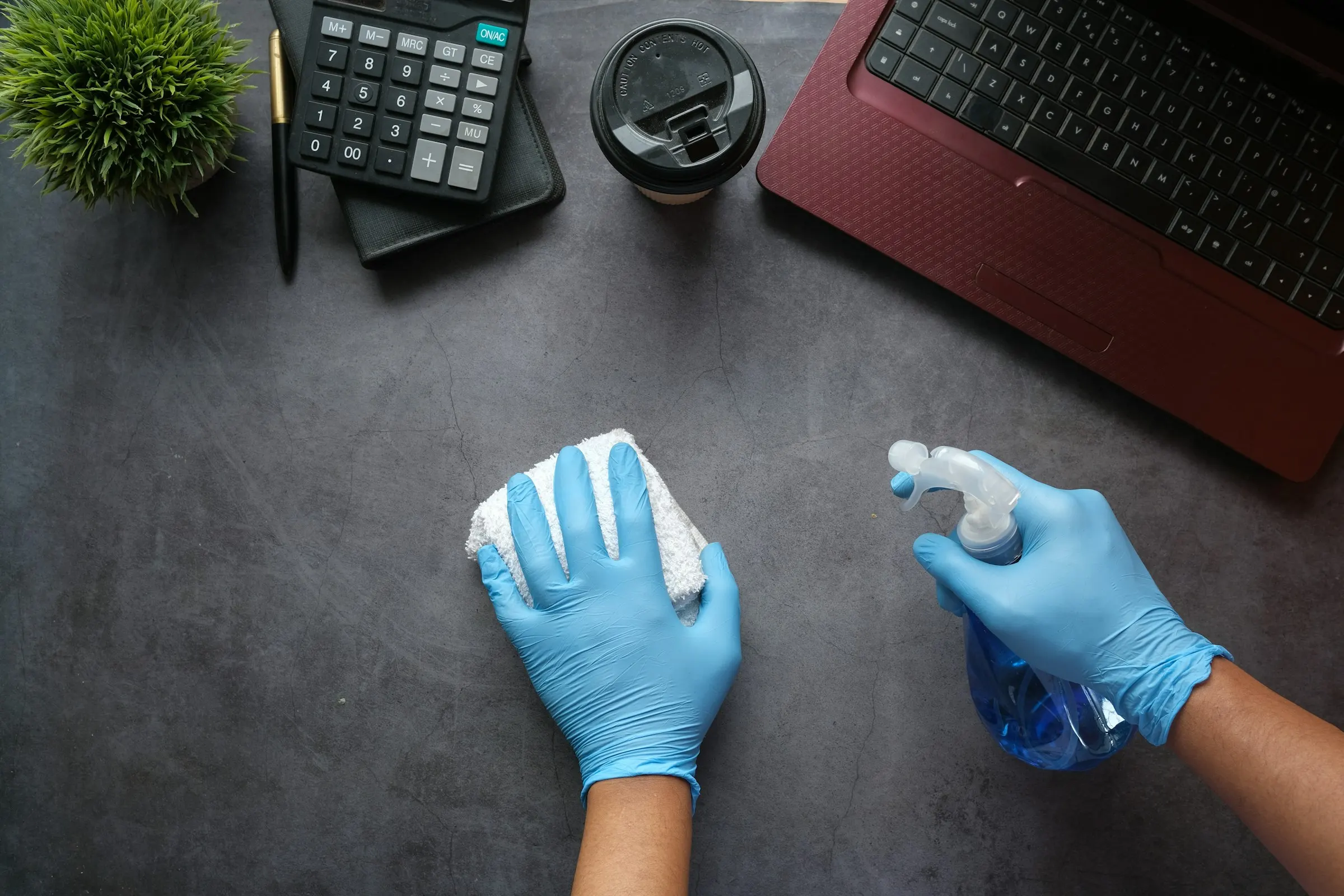 Cleaning services in Mauritius: 2026 price listWhat house, deep, move out and office cleaning costs in Mauritius in 2026. Every price in one list, by number of bedrooms, with nothing added later.Read the article
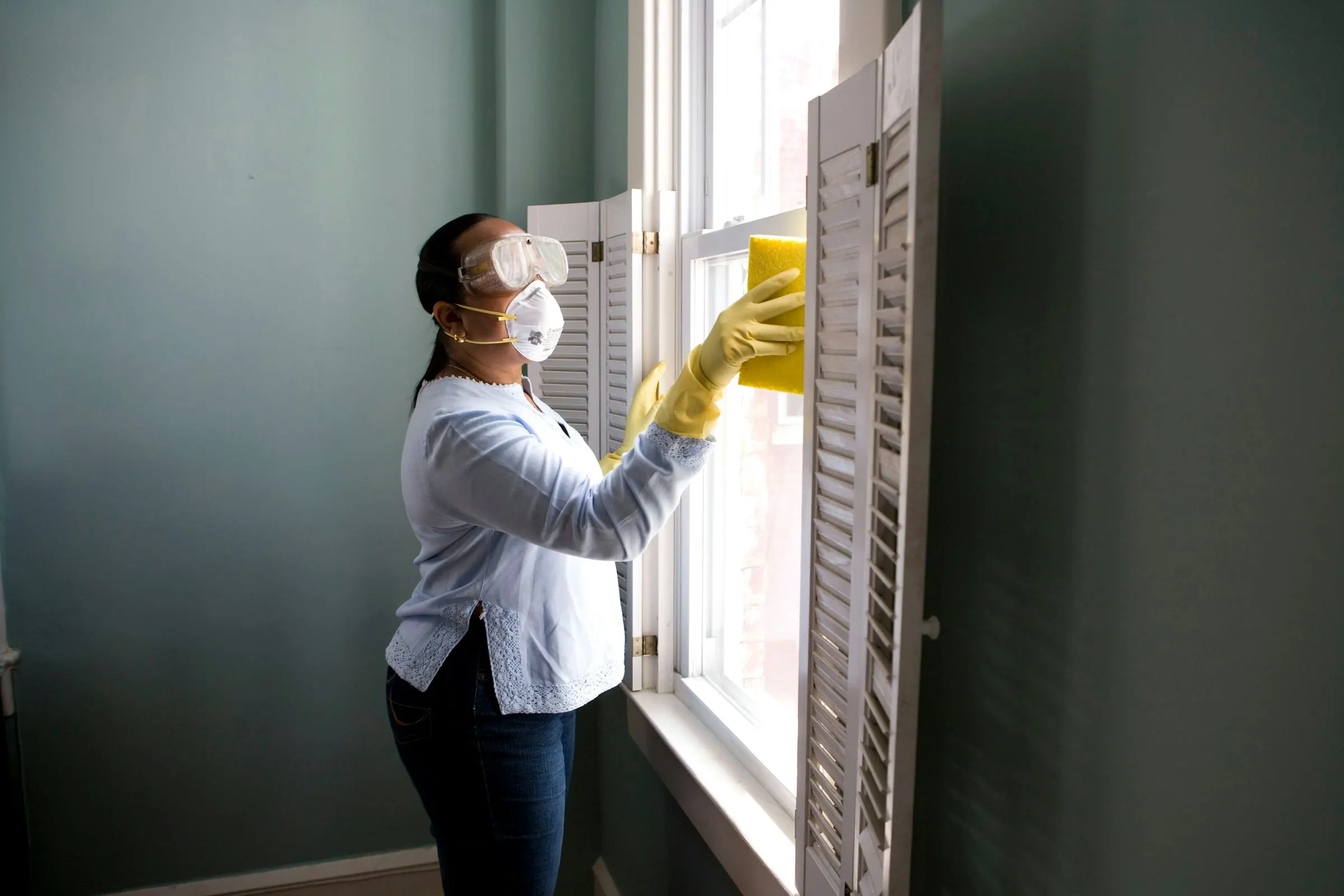 How to choose a cleaning company in MauritiusEight questions to ask before you let a cleaning company into your home or office in Mauritius, and the answers that should reassure you.Read the article
 Maid or cleaning company in Mauritius: which is better?Hiring a maid in Mauritius makes you an employer. A cleaning company sells you a finished clean. How the two compare on cost, cover and peace of mind.Read the article